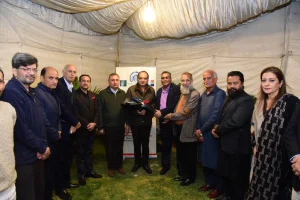
Western European nations slash foreign aid budgets
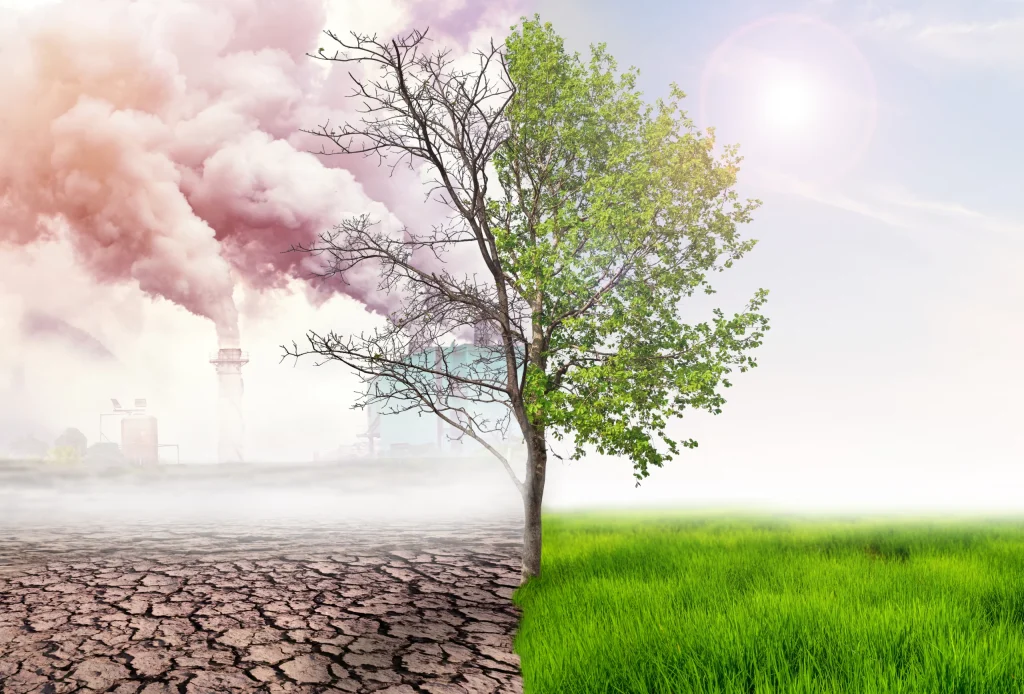
Foreign aid shrinking, what will happen to climate change
March 30, 2025
Several major Western European countries, including the UK, Switzerland, Germany, France, and the Netherlands, have significantly reduced their foreign aid budgets in recent months, as governments prioritize defence spending and domestic economic stimulus over international assistance.
The cuts come amid rising geopolitical tensions, economic instability, and shifting political landscapes, with experts warning of severe consequences for developing nations reliant on foreign aid.
Aid Reductions and Global Implications
Foreign aid, measured through Official Development Assistance (ODA), is a key financial lifeline for poorer nations. The Organisation for Economic Co-operation and Development (OECD) recommends that donor countries allocate at least 0.7% of their Gross National Income (GNI) to ODA. However, recent decisions mark a stark departure from this target:
- Belgium will cut aid funding by 25% over five years.
- The Netherlands has reduced its budget by 30%.
- France has slashed aid by 37%.
These reductions could have devastating effects on vulnerable nations such as Tanzania, Bangladesh, and Zambia, which depend heavily on external financial support.
Why Are European Countries Cutting Aid?
- Geopolitical Shifts & Defence Prioritization
The ongoing Russia-Ukraine war, potential trade conflicts with the US, and broader security concerns have pushed European governments to divert funds toward military spending. The UK, for instance, will increase defence expenditure to 2.5% of GDP by 2027, while reducing ODA to a historic low of 0.3% of GNI. - Economic Strain & Political Pressures
Post-Brexit economic challenges and pandemic recovery costs have led the UK to systematically reduce aid. Similarly, France is trimming ODA amid a record deficit and political turmoil, with far-right critics labelling development aid a “waste of taxpayer money.” - Rise of Right-Wing Governments
Political shifts in Finland and Sweden, where far-right parties have gained influence, have driven aid cuts. Sweden now prioritizes defence, policing, and welfare, while Finland restricts aid to projects that align with its national interests. - Aid Conditionality & National Interests
The Netherlands is restructuring its aid to focus on Dutch trade, migration, and economic policies, directing funds only toward areas like food security, water management, and maternal healthcare.
Experts Warn of Climate & Economic Risks
Critics argue that cutting aid—especially climate resilience funding—is dangerously short-sighted.
“Climate-induced disasters don’t respect borders,” said Carsten Brinkschulte, CEO of Dryad Networks, a wildfire prevention tech firm. “Preventative investment in vulnerable regions is far cheaper than managing the fallout of unmitigated climate risks.”
As Western Europe turns inward, the long-term global repercussions—from heightened poverty to unchecked climate crises—remain a growing concern. (Monitoring Desk)