Trump Auto Tariff Exemption: U.S. Automakers Get Temporary Relief
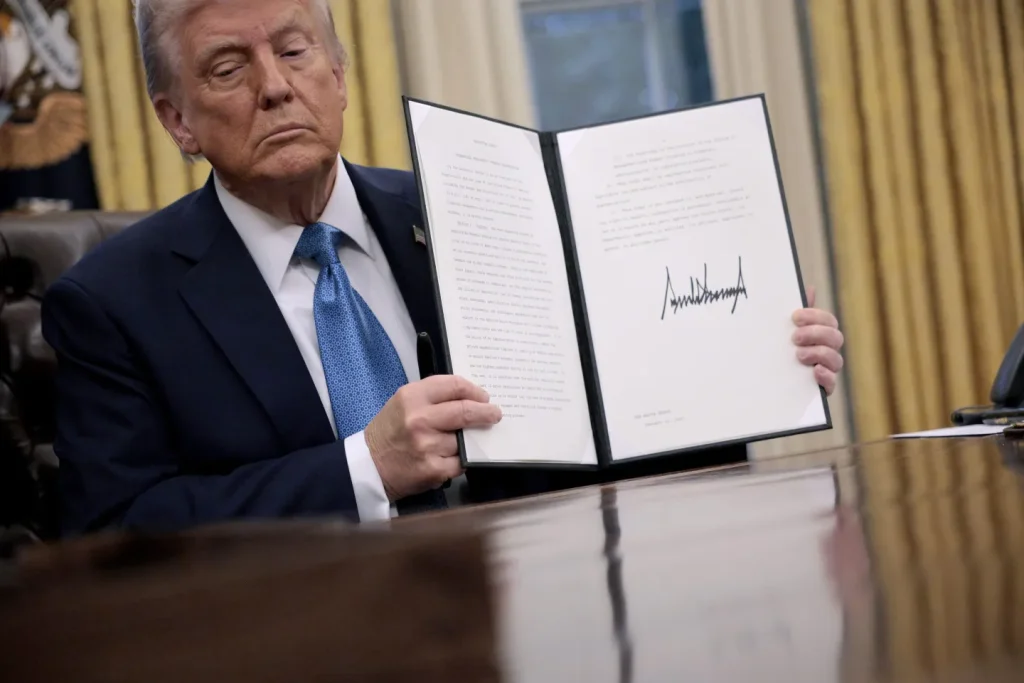
Trump to announce first Tariff Plan tomorrow -file foto
President Donald Trump has announced a one-month auto tariff exemption for U.S. automakers, temporarily suspending new tariffs on vehicle imports from Mexico and Canada. The decision follows industry concerns that these tariffs could disrupt U.S. auto manufacturing and increase costs.
White House Press Secretary Karoline Leavitt confirmed that Trump spoke with executives from Ford, General Motors, and Stellantis before making the decision.
Trump Urges Automakers to Shift Production to the U.S.
When asked whether 30 days would be sufficient for the auto industry to prepare for the tariffs, Leavitt stated:
“They should start investing and shifting production to the United States, where they will pay no tariffs.”
Trump’s trade policies have fluctuated, causing uncertainty among trading partners and domestic manufacturers. The import tariffs imposed this week target Canada, Mexico, and China, with justifications ranging from trade imbalances to national security concerns.
Canada and Mexico Push Back Against Auto Tariffs
Canada, a long-standing U.S. ally, has refused to comply with Trump’s tariff policy. Ontario Premier Doug Ford responded:
“We will not budge. Zero tariffs—that’s it.“
Following the White House’s announcement of a one-month auto tariff exemption, shares of major U.S., Asian, and European automakers jumped by up to 6%.
Despite this temporary relief, the 25% tariffs on autos and auto parts under the USMCA trade agreement are set to take effect April 2, unless a long-term exemption is granted.
Automakers Respond to Trump’s Tariff Exemption
Ford, General Motors, and Stellantis welcomed the Trump auto tariff exemption, releasing the following statements:
- Ford: “We will continue to engage with the administration to support U.S. auto manufacturing and ensure a strong domestic industry.”
- General Motors: “We appreciate the president’s decision, which allows American automakers like GM to stay competitive and invest in the U.S.”
- Stellantis: “We fully support the administration’s efforts to boost the American auto sector and ensure long-term growth.”
Economic Impact of Trump’s Auto Tariff Policy
The White House initially stated that no exemptions would be granted, making this policy reversal a sign of growing economic and political concerns.
Trump argues that tariffs will encourage domestic investment, creating factory jobs and long-term economic growth. However, critics warn that the auto tariff exemption only delays the inevitable impact of the new trade measures.
Retaliatory Tariffs: Global Trade War Escalates
- Canada: Prime Minister Justin Trudeau announced that his country would impose over $100 billion in retaliatory tariffs on U.S. goods within 21 days.
- Mexico: Plans to announce its own countermeasures by Sunday.
- China: Responded by imposing 15% tariffs on U.S. agricultural exports and expanding trade restrictions on American companies.
The escalating U.S.-China trade war continues, with Beijing declaring:
“If the U.S. wants a trade war, we are ready to fight until the end.”
What’s Next for U.S. Automakers?
With the Trump auto tariff exemption set to expire on April 2, U.S. automakers must decide whether to relocate production or prepare for the full 25% import tax. Meanwhile, escalating trade tensions suggest that the global economic battle is far from over.