Sindh Wildlife Department opposes relocation of illegally imported monkeys to Lahore
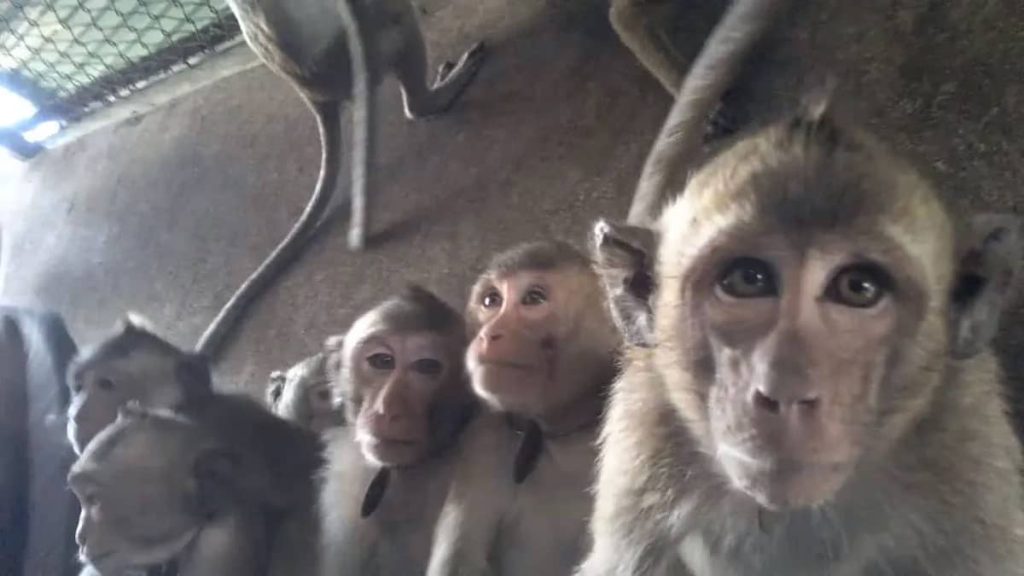
Monkeys file foto
Karachi, May 20,2025 – The Sindh Wildlife Department (SWD) has formally objected to the proposed transfer of illegally imported exotic monkeys from Karachi to Lahore, urging the federal government to revoke its May 8 recommendations and instead follow legal protocols and scientific guidelines.
The controversy began in January when customs officials at Karachi’s Jinnah International Airport seized 26 monkeys—tufted capuchins and marmosets—allegedly smuggled into Pakistan by M/s Khayal Enterprises using a fake No-Objection Certificate (NOC) from South Africa. Two of the primates died while in customs custody.
Due to a lack of coordination among government agencies, the surviving monkeys were handed over to the Ayesha Chundrigar Foundation (ACF), an animal rights organization, in March.
In a statement issued today, the SWD said, “The department formally opposes the proposed relocation of these illegally imported exotic monkeys and urges the government to reconsider its recommendation, ensuring compliance with legal procedures and scientific standards.”
The issue was discussed in an April virtual meeting chaired by the federal secretary of the Ministry of Climate Change (MoCC), where a technical committee was formed to evaluate the case. The committee—comprising SWD and WWF-Pakistan (Karachi) experts—submitted a joint report warning that moving the monkeys to Lahore would “not only harm their health and welfare but also violate scientific principles and legal frameworks.”
However, the MoCC reportedly recommended the transfer without consulting the committee or reviewing its findings, prompting strong objections from the SWD.
The department stressed that all wildlife in Sindh, regardless of origin, is protected under Section 21 of the Sindh Wildlife Protection Act, 2020. It also raised concerns over the Lahore facility’s alleged poor record in primate care, citing “inadequate hygiene, improper animal husbandry, lack of behavioral enrichment, and previous cases of stress and mortality among animals.”
Additionally, the SWD warned of potential biosecurity risks, as the monkeys were illegally imported and may carry undiagnosed zoonotic diseases. “Moving them without proper screening could pose a public health threat,” the statement said.
Illegal Wildlife Trade in Pakistan
A 2018 undercover investigation across 55 markets in 23 Pakistani cities revealed rampant illegal wildlife trade, with Karachi and Peshawar being the biggest hubs. Many of the traded species, including the Indian cobra and sand lizard, are listed under the Convention on International Trade in Endangered Species (CITES) and the IUCN Red List. The study also found widespread consumption of dried cobra and lizard meat in Khyber Pakhtunkhwa and Punjab.
The SWD’s opposition highlights growing concerns over illegal wildlife trafficking and the need for stricter enforcement of conservation laws in Pakistan.