Sindh Irrigation Department Warns of Severe Water Shortage and Drought
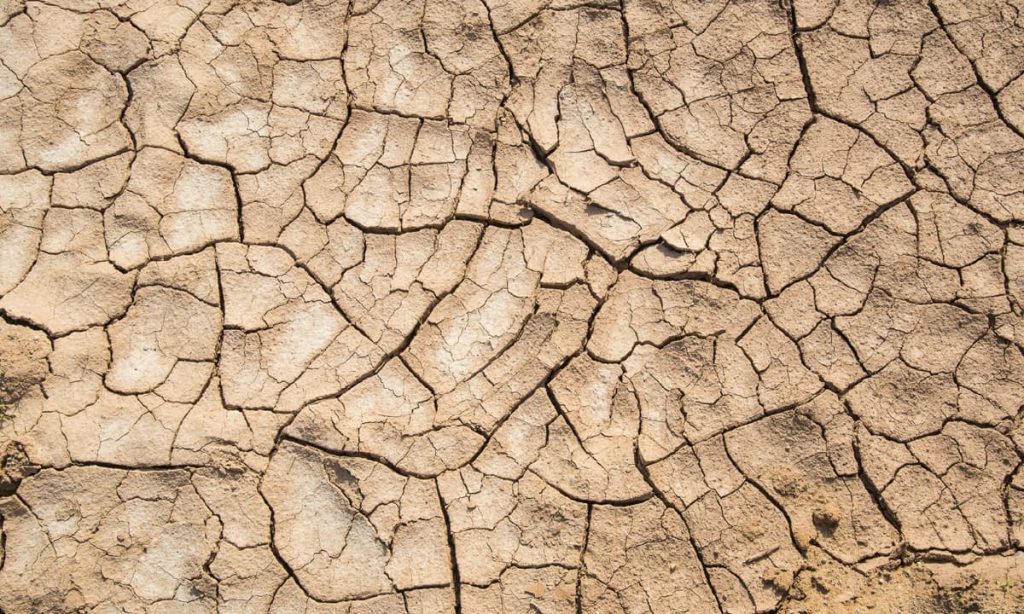
Sindh irrigation department has issued a warning about a severe water shortage and drought due to low rainfall
KARACHI: The Sindh irrigation department has issued a water shortage and drought alert, warning that declining water reservoirs could lead to a severe crisis in Karachi and other districts of Sindh.
In an official circular, the department reported that low rainfall during the ongoing Rabi season has brought water reserves to a critically low level.
“The water in Tarbela and Mangla dams is expected to reach dead storage levels within four to five days,” the letter stated.
The current water levels stand at:
- Tarbela Dam: 0.102 million acre-feet (MAF)
- Mangla Dam: 0.226 MAF
If the shortage continues, Sindh could face a 50% water scarcity at the start of the Kharif crop season, significantly impacting agriculture and daily water supply.
Drought Risk and Affected Districts
The Pakistan Meteorological Department (PMD) has also raised alarms over drought conditions in several districts, reporting a 52% decrease in rainfall in Sindh.
“The dry spell is likely to persist through February and March, worsening the drought situation,” the PMD warned.
The most affected districts include:
- Severely impacted: Karachi, Hyderabad, Mirpur Khas, Thatta, and Badin.
- Also affected: Dadu, Sukkur, Ghotki, Khairpur, Naushahro Feroz, Larkana, Jacobabad, and Tharparkar.
Government Response and Mitigation Efforts
The Sindh irrigation department has urged authorities to develop a fair water distribution strategy to manage the crisis.
Additionally, the PMD has instructed:
- Karachi’s deputy commissioners to arrange alternative water supplies.
- District administrations in Khairpur and Tharparkar to implement precautionary measures.
Despite a recent rainfall spell, the Met Office reported that it did not significantly impact plains and agricultural regions, further worsening the drought risk.
A Growing National Concern
The Met Office has previously warned of emerging drought conditions across Pakistan, citing a 40% below-normal rainfall from September 2024 to January 2025.
If the current trend continues, Sindh could face severe water shortages, threatening agriculture, drinking water supplies, and overall economic stability in the region.
Authorities are urged to take immediate action to mitigate the water crisis before it escalates into a major disaster.