Sindh battles health crisis as malaria, dengue spread
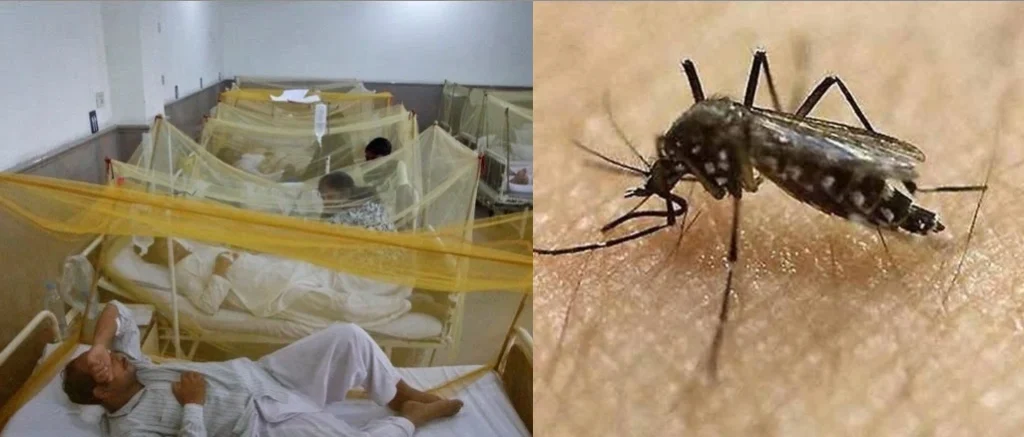
Sindh battles health crisis as malaria, dengue spread - file foto
Across Sindh, the menace of stagnant water continues to haunt communities, fueling the spread of malaria, dengue, and a host of other waterborne illnesses. Pools of untreated sewage and floodwater, left unattended in both towns and villages, have turned into breeding grounds for mosquitoes and bacteria, pushing the region into a severe public health crisis.
At Sukkur Civil Hospital, the impact is visible in every corridor and ward. Patients of malaria and other waterborne diseases are arriving in overwhelming numbers, many from villages that bore the brunt of devastating floods and torrential rains. Beds are filled with men, women, and children suffering from cholera, diarrhea, typhoid, hepatitis, amoebiasis, gastroenteritis, scabies, and parasitic infections. The absence of clean drinking water has forced people to consume contaminated supplies, while poverty leaves them with little choice but to eat unhygienic food—both factors accelerating the spread of these diseases.
“The situation is alarming,” said Dr. Younis, a postgraduate trainee in the Medicine Department of Civil Hospital Sukkur. “Most patients come in with high fever. In fact, around seven out of ten test positive for malaria, and in many cases their platelet count drops to dangerous levels. Families from poor, flood-hit areas struggle to find blood donors or arrange platelets. They are desperate and helpless.”
He explained that dengue cases are particularly critical since patients often suffer from uncontrolled bleeding when their platelets fall. “We urge people to donate blood and appeal to organizations to simplify their donation procedures. These vulnerable families, many of them uneducated, should not be left at the mercy of bureaucracy.”
Dr. Younis also stressed the importance of prevention: “People must take precautions—use mosquito nets, apply repellents, and ensure that standing water around their homes is cleared. Prevention is our strongest defense until medical relief becomes more accessible.”
Recent Surge: In 2025, Sindh has reported a total of 22,358 malaria cases from January to April, with the Larkana Division being the most affected.
1
High Burden Districts: The districts of Larkana, Hyderabad, Sukkur, Mirpurkhas, and Shaheed Benazirabad have reported the highest number of cases, with Larkana alone accounting for 7,392 cases.
1
Overall Impact: In 2023, the province saw 555,000 malaria cases, significantly higher than the previous year’s 417,213 cases
Health experts insist that both the government and aid agencies must step up their response. They call for immediate medical camps in rural areas, proper drainage of stagnant water, and provision of safe drinking water. Without swift action, the outbreak of malaria, dengue, and other infections will only worsen.
This escalating health emergency also highlights a deeper problem—the indifference of district administrations and the Sindh government. The silence and inefficiency of those in power raise painful questions about their commitment to safeguarding the lives of citizens who are left battling deadly diseases with little support.