Jamshoro Police File FIR Against 100 Sindh University Students Over Protest
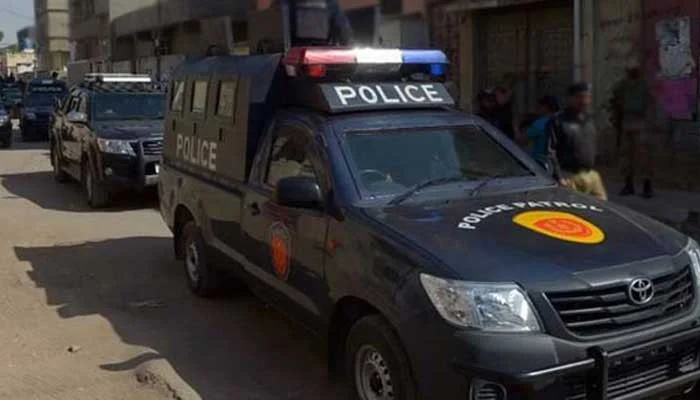
Jamshoro police have filed an FIR against 100 Sindh University students, including nationalist activists, over a March 4 protest against the six-canal project.
FIR Maintained Despite Protesters’ Release
The Jamshoro police have formally registered an FIR against nearly 100 Sindh University students, including 37 activists associated with nationalist student wings, for their alleged involvement in a March 4 clash with law enforcement.
The students had staged a protest against the controversial six-canal project near the Sindh University campus, leading to violent confrontations with the police. Initially, many students were arrested following the clashes but were later released after negotiations between Jamshoro SSP Zafar Siddique and leaders of nationalist political parties. However, despite their release, the police decided to retain the FIR, reportedly with approval from senior officials.
March 4 Protest: A Clash Between Students and Police
The March 4 event at Sindh University was organized by nationalist groups, including Jeay Sindh Qaumi Mahaz (JSQM) and its student wing, to pay tribute to Sindhi students who participated in the 1967 anti-One Unit movement.
The protest began with a march from the Sindh University campus towards the Indus Highway, where police contingents were deployed to block the demonstrators from proceeding further. Tensions escalated, leading to a violent confrontation between the two sides.
- Police used tear gas and batons to disperse the students.
- Protesters retaliated by throwing stones at police, injuring two officers and damaging two police vehicles.
- The Indus Highway was blocked, causing disruptions in traffic movement.
Following the clash, SI Saleem Panhwar filed a complaint, which was later converted into an FIR later that night. According to Jamshoro police, the FIR was registered with approval from senior officers.
Charges Against the Students
The FIR alleges that the protesting students:
- Illegally blocked the Indus Highway, affecting vehicular movement.
- Attacked police personnel, injuring Constables Farhan Loond and Sadaqat Ali.
- Damaged police vehicles during the altercation.
The injured policemen were admitted to the Liaquat University of Medical and Health Sciences (LUMHS) for treatment. The FIR also states that police attempted to arrest more students but managed to detain only 10, as a large crowd of protesters made further arrests difficult.
Six-Canal Project: The Core of the Protest
A major concern raised at the March 4 event was the federal government’s six-canal project, which nationalist groups claim will adversely impact Sindh’s water resources. Activists also condemned corporate farming policies and other projects they believe threaten Sindh’s economic and environmental stability.
The student leaders and nationalist speakers at the protest criticized the lack of transparency in these projects and called for greater autonomy over Sindh’s natural resources.
Political Reaction and Condemnation of FIR
Following the police action, several student leaders and political figures condemned the FIR, calling it politically motivated and an attempt to suppress student activism.
- Student leaders Zubair Hussain Panhwar and Zahid Keerio rejected the charges, asserting that students were peacefully protesting.
- Sindh United Party (SUP) President Syed Zain Shah demanded that the FIR be quashed and instead called for action against the SSP, DSP, and SHO of Jamshoro for using force against peaceful protesters.
- Shah warned that nationalist groups would intensify their protests if the FIR is not withdrawn, stating that legal action against student activists is an attempt to stifle dissent.
Broader Implications: Crackdown on Student Protests?
The Jamshoro protest and subsequent police crackdown have raised concerns over the shrinking space for student activism in Sindh. Critics argue that registering cases against students for political demonstrations sets a dangerous precedent for future movements.
In recent years, student-led protests in Sindh have played a crucial role in raising awareness about key political, economic, and environmental issues. However, frequent police interventions and legal actions against protestors have deterred youth participation in activism.
With growing opposition to the six-canal project, nationalist parties and student groups may continue their mobilization efforts, increasing tensions between authorities and activists.
The Jamshoro police’s decision to maintain the FIR against Sindh University students has sparked widespread condemnation from political and student groups. While authorities claim that the protest disrupted public order and led to violence, activists argue that the police crackdown was unjustified and aimed at silencing dissent against the six-canal project.
As legal proceedings unfold, the case could become a key flashpoint in the broader debate over student rights, political activism, and the future of Sindh’s natural resources.