Pakistan allocates 2,000MW for Bitcoin mining and AI data centers in bid to become digital hub
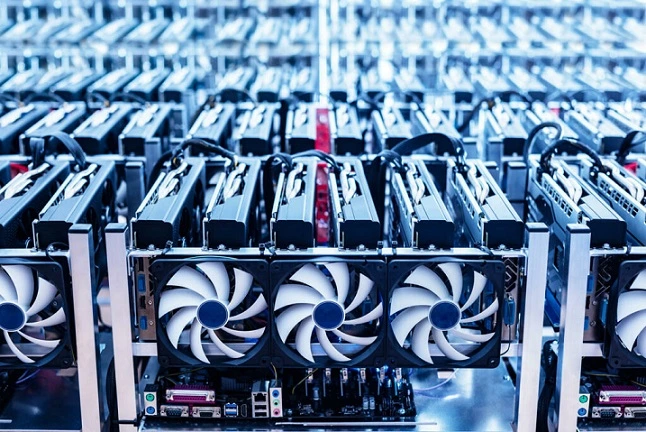
Bitcoin mining and AI data centers
Islamabad May 25,2025 – In a major push to position Pakistan as a global leader in digital innovation, the government has allocated 2,000 megawatts (MW) of electricity to power Bitcoin mining and artificial intelligence (AI) data centers in the first phase of a new national initiative.
The move follows Pakistan’s recent decision to legalize cryptocurrency, aiming to attract international investment in blockchain and digital assets. The Pakistan Crypto Council (PCC), established in March under the Finance Ministry, is leading the effort to integrate digital currencies and blockchain technology into the country’s financial ecosystem.
Turning Surplus Power into Digital Opportunity
A Finance Ministry statement highlighted that the initiative seeks to monetize Pakistan’s underutilized electricity capacity, create high-tech jobs, and draw billions in foreign investment. Finance Minister Muhammad Aurangzeb called it a “pivotal moment” in Pakistan’s digital transformation, leveraging excess energy to fuel innovation and economic growth.
“Pakistan is uniquely positioned as a digital bridge between Asia, Europe, and the Middle East,” the statement said, emphasizing the country’s potential to become a global data center hub.
Global Interest and Economic Benefits
Since the PCC’s formation, international Bitcoin miners and AI firms have shown strong interest, with several companies already visiting Pakistan for exploratory talks. More are expected in the coming weeks.
By repurposing idle power—particularly from underutilized plants—Pakistan aims to convert an economic burden into a revenue stream. Bitcoin mining, known for its high energy consumption, offers a way to earn foreign exchange in US dollars. The government is also considering holding Bitcoin in a national wallet as part of its long-term digital asset strategy.
Competitive Edge Over Regional Rivals
Pakistan’s affordable and stable energy supply gives it an advantage over countries like India and Singapore, where rising power costs and land scarcity hinder large-scale data center expansion. With global AI data center demand far outstripping supply, Pakistan sees an opportunity to fill the gap.
The recent landing of the *Africa-2 Cable Project*—a 45,000 km submarine internet cable connecting 33 countries—further strengthens Pakistan’s digital infrastructure, improving bandwidth and reliability for AI and cloud services.
Future Plans: Renewables, Tax Incentives, and Tech Hubs
The 2,000MW allocation is just the first phase of a broader digital infrastructure plan. Future steps include:
-
Renewable-powered facilities, tapping into Pakistan’s vast wind, solar, and hydro potential (including the 50,000MW-capacity Gharo-Keti Bandar wind corridor).
-
Tax incentives such as duty exemptions on equipment and reduced taxes for AI and blockchain developers.
-
Fintech and innovation hubs to foster local talent in IT, engineering, and data science.
A New Era for Pakistan’s Digital Economy
With over 40 million crypto users, Pakistan is poised to become a regional leader in digital services. Local AI data centers could enhance data sovereignty, cybersecurity, and AI capabilities while generating thousands of jobs.
“Pakistan has all the ingredients—surplus energy, strategic location, digital connectivity, and a young tech-savvy population—to emerge as a global hub for Web3 and AI,” the statement said. “This is just the beginning of a transformative journey.”
The initiative signals Pakistan’s ambition to not only attract foreign tech investment but also build a sovereign digital economy capable of exporting services and accumulating digital assets for long-term stability.