Lawsuit Challenges Trump’s $100,000 Fee on H-1B Visas
Lawsuit Challenges Trump’s $100,000 Fee on H-1B Visas
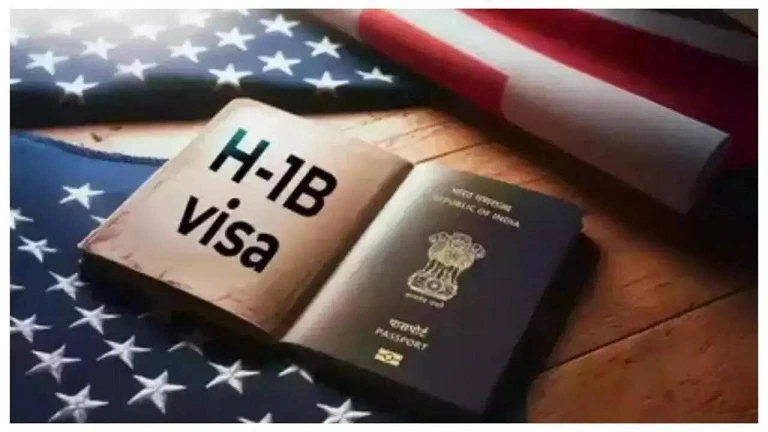
SAN FRANCISCO — A coalition of unions, employers, and religious organizations filed a lawsuit Friday to block President Donald Trump’s plan to impose a $100,000 fee on new H-1B visas for highly skilled foreign workers.
The suit, lodged in federal court in San Francisco, is the first legal challenge to Trump’s proclamation announced two weeks ago. The groups argue the president exceeded his authority by unilaterally altering the visa programme, which is governed by federal law.
Plaintiffs include the United Auto Workers union, the American Association of University Professors, a nurse recruitment agency, and several religious organizations. They contend Trump’s order illegally transforms the programme into a “pay to play” system, granting the Department of Homeland Security unchecked discretion over exemptions.
The White House defended the measure, saying it aims to prevent companies from abusing the system and driving down U.S. wages while ensuring access to top global talent.
Under Trump’s directive, employers sponsoring H-1B workers would need to pay an additional $100,000 before new recipients can enter the U.S. The rule does not affect existing visa holders or applications submitted before September 21.
Currently, employers typically pay between $2,000 and $5,000 in fees depending on company size and other factors.
Critics say the H-1B system allows companies to replace American workers with cheaper foreign labor, while business groups argue the visas are essential to filling critical shortages in technology and other specialized fields.
The H-1B programme grants 65,000 visas annually, with an additional 20,000 reserved for advanced-degree holders. Last year, India accounted for 71 percent of approved visas, followed by China at nearly 12 percent, according to government data.
The plaintiffs assert the president cannot impose new fees or taxes without congressional approval and accuse federal agencies of bypassing proper rulemaking procedures. They warn the policy could stifle innovation and open the door to selective enforcement and corruption.