Benazir Hari Card – Why Is It Forbidden for the Landless Farmers?
Benazir Hari Card – Why Is It Forbidden for the Landless Farmers?
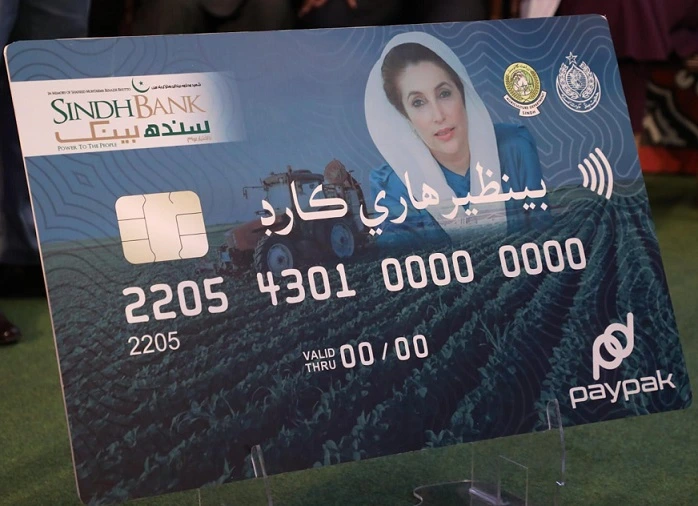
The Sindh government has announced the introduction of the Benazir Hari Card. However, this card will not be issued to ordinary landless farmers; instead, it will only be given to landowners possessing up to 25 acres of land.
Sindh Hari Committee, an organisation of landless peasant has expressed reservation on Beanzir Hari card. While the decision to extend this facility to landowners from one acre up to 25 acres is a positive step, the initiative remains incomplete, flawed, and unjust so long as landless farmers are not given priority in this scheme. Whenever crops are destroyed or damaged—be it due to floods, heavy rains, or other natural disasters—it is not only the landowners who suffer, but the landless farmers, who work the land with their labor, are impacted even more severely. In order to recover expenses incurred during cultivation, these farmers are often forced into the harsh cycle of borrowing money or taking loans at interest.
Alongside issuing the Benazir Hari Card, it is equally necessary to implement land reforms by distributing plots of 25 acres each among the landless farmers. In addition, a complete record (Khusro) of land-tilling farmers should be prepared. The revenue records must include not only small landowners but also the landless farmers who actually cultivate the land. This is essential to ensure that their rights are documented and protected.
Sindh is fundamentally an agrarian province and a national unit, where millions of families are directly dependent on agriculture, farmland, and allied industries. This makes them one of the strongest sections of society.
Yet, landless farmers, small landholders, and rural communities belong to the most marginalized and oppressed classes. It is therefore the duty of all progressive political parties, social organizations, farmers’ and laborers’ unions, and humanist forces to assist and guide landless farmers in registering their names and details with the relevant government departments, so their rights can be safeguarded.