Rediscovered Empire: The Hittites, Ancient Anatolia’s Forgotten Superpower
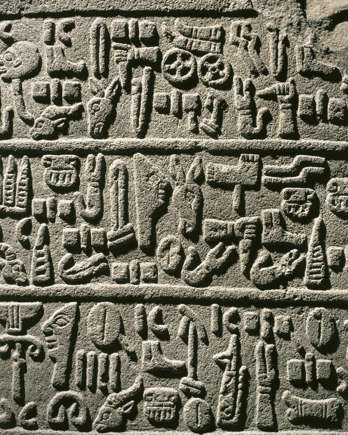
Hittite archives contained texts in multiple languages,
Centuries before the rise of Rome or Greece, the Hittites ruled as one of the ancient world’s most formidable empires. Emerging around 1600 BCE in what is now modern Turkey, this Bronze Age civilization rivaled Egypt, pioneered military innovations, and shaped the political landscape of the Near East—only to vanish into obscurity after their dramatic collapse.
A Warrior Empire Built on Iron and Diplomacy
The Hittites were master strategists, wielding iron weapons and advanced chariot warfare to dominate Anatolia and beyond. Their most famous clash came in 1274 BCE at the Battle of Kadesh against Pharaoh Ramses II—a colossal chariot battle that ended with history’s first recorded peace treaty. Copies of the agreement, found in both Hattusa (the Hittite capital) and Egypt, mark a milestone in international diplomacy.
Hattusa: The Majestic Capital Lost to Time
At its peak, the Hittite Empire stretched from central Turkey into Syria and Mesopotamia, controlling vital trade routes. Their capital, Hattusa, was a marvel of ancient engineering—fortified by massive stone walls, adorned with lion gates, and home to vast archives of cuneiform tablets. These texts, written in the oldest known Indo-European language, reveal a sophisticated legal system, progressive gender rights, and a complex bureaucracy.
Cultural Legacy and Mysterious Collapse
The Hittites blended Mesopotamian, Hurrian, and Egyptian influences into a unique civilization. Women held significant power—Queen Puduhepa, a key political and religious figure, negotiated treaties and reforms. Yet by 1200 BCE, their empire crumbled amid the Bronze Age Collapse, likely due to invasions, famine, and internal strife.
Rediscovery and Modern Significance
Forgotten for millennia, the Hittites were resurrected in the 20th century when archaeologists unearthed Hattusa and deciphered their language. Today, their legacy endures as a bridge between East and West—and a testament to a once-great empire that shaped history before fading into the shadows of time.
For further reading, visit the ongoing excavations at Boğazkale or explore the Hittite collections at the Museum of Anatolian Civilizations in Ankara.