Govt Rejects Claims of Usurping Sindh’s Water for Cholistan Project
The federal government has dismissed allegations of depriving Sindh’s water for the Cholistan canal project, asserting that all provinces will retain their water shares.
Amid growing tensions between the Pakistan Muslim League-Nawaz (PML-N) and the Pakistan Peoples Party (PPP) over the Cholistan canal project, the federal government has denied allegations of depriving Sindh of its water share.
Federal Govt’s Stance on Water Distribution
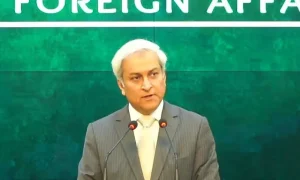
Speaking on Geo News’ ‘Aaj Shahzeb Khanzada Kay Sath’, Minister for Planning and Development Ahsan Iqbal rejected accusations that Sindh’s water was being diverted for the project. He criticized politicians for spreading controversy, stating:
“There is no possibility that Punjab or any other province would take Sindh’s share of water.”
President Zardari’s Concerns Over the Canal Project
President Asif Ali Zardari, in his address marking the second parliamentary year, warned that certain unilateral policies were straining the federation. He specifically opposed the Cholistan Canal System, which was approved by the Indus River System Authority (IRSA) despite Sindh’s objections.
“A proposal that I, as your President, cannot support,” Zardari stated, urging the government to reach a consensus-based solution with all federating units.
Details of the Cholistan Canal Project
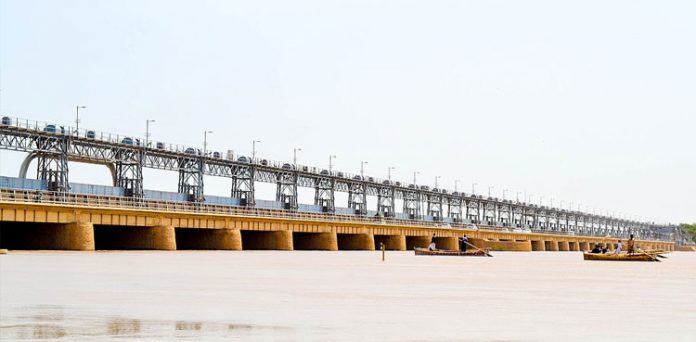
- The federal government plans to build six canals on the Indus River to irrigate the Cholistan desert.
- The estimated cost of the project is Rs211.4 billion.
- The project aims to cultivate 400,000 acres of barren land for agriculture.
However, the project has faced widespread protests from political parties, nationalist groups, and civil society organizations in Sindh.
Government’s Assurance to Sindh
Ahsan Iqbal acknowledged PPP’s concerns, stating that the party is obligated to protect Sindh’s interests. However, he criticized nationalist groups for using the issue for political gain.
“Defeated politicians are using this controversy to revive their political careers,” he claimed.
Despite the differences, he assured that the government will engage all allied parties before making final decisions on water distribution policies.