Sindh Approves 4-Year, Multi-Billion Healthcare Reform Plan
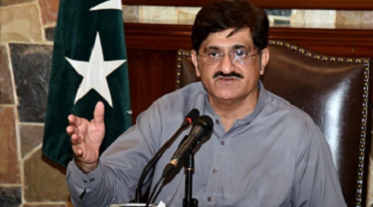
Finance Bill: Murad announces major tax relief measures to support agriculture, transport, and small businesses
KARACHI: Sindh Chief Minister Murad Ali Shah has approved a four-year healthcare reform plan (2025-2029) aimed at expanding immunization, improving maternal and child healthcare, and strengthening governance in the province’s health sector.
During a high-level meeting at the CM House, the Chief Minister set ambitious targets to enhance universal access to quality healthcare. The plan includes the recruitment of 5,500 Lady Health Workers (LHWs) and Community Health Workers (CHWs) by 2025-26, alongside 3,500 vaccinators and technical staff to boost Sindh’s immunization coverage from 69% to 95%.
The initiative will also introduce the HPV vaccine, targeting 2.8 million vaccinations by 2028-29, while improving cold chain storage and waste management through solar-powered centers.
Nutrition Programs for Malnourished Children
The government will establish 11 new Nutrition Stabilization Centers (NSCs) and 714 Outpatient Therapeutic Program (OTP) sites by 2025-26, aiming to treat 1.24 million malnourished children under five years old. The initiative will provide Ready-to-Use Therapeutic Food (RUTF) and micronutrient supplements, alongside breastfeeding awareness sessions and deworming programs for mothers and adolescent girls.
Screening for Non-Communicable Diseases
To combat the rising cases of diabetes and hypertension, screening units will be set up at secondary-level hospitals. The plan includes:
- Screening expansion to 350 Basic Health Units (BHUs) by 2025-26.
- 1,440 screening camps across Sindh by 2028-29.
- Training of healthcare workers to improve early detection services.
Improving Healthcare Infrastructure
The Sindh government has approved a large-scale maintenance and repair (M&R) project for healthcare facilities, covering:
- 109 tertiary hospitals
- 91 secondary hospitals
- 572 primary health units, including 122 scheduled for 2025-26
Additionally, two new medical and surgical towers will be constructed at Civil Hospital Karachi.
Strengthening Governance and Digital Surveillance
To ensure transparency and efficiency, a Monitoring and Evaluation (M&E) system will be launched, targeting:
- 48,000 annual health facility visits
- Real-time data dashboards in 40 districts
- The rollout of Health Management Information System (HMIS) for data-driven decision-making
Nursing Education and Workforce Expansion
To address the shortage of nursing professionals, evening shifts will be introduced in 20 nursing colleges, creating 443 new teaching and non-teaching positions. Additional measures include:
- A stipend program for 1,125 BS Nursing students
- Establishment of 10 new science labs and rehabilitation of existing colleges
- Procurement of 20 vehicles for student mobility and community outreach
Sindh CM’s Commitment to Healthcare Reforms
Chief Minister Murad Ali Shah reaffirmed his commitment to strengthening Sindh’s healthcare system, particularly for women and children, by expanding community-based interventions, modernizing governance, and improving access to quality medical services.
This multi-billion rupee healthcare overhaul aims to enhance health outcomes, combat malnutrition, and improve disease surveillance, making Sindh’s healthcare system more resilient and responsive in the coming years.