Sindh Free from Extremism, but External Influence Persists: Murad
Finance Bill: Murad announces major tax relief measures to support agriculture, transport, and small businesses
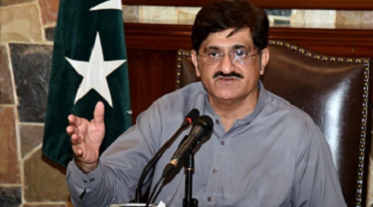
KARACHI (March 5) – Sindh Chief Minister Syed Murad Ali Shah has reaffirmed that Sindh is free from extremism, emphasizing that any incidents of terrorism in the province were not homegrown but instead infiltrated from external sources.
“We take pride in being a province that is free from extremism,” the chief minister stated while addressing newly appointed British Deputy High Commissioner, Lance Domm, who met him at CM House on Wednesday.
During the meeting, Murad Ali Shah highlighted Sindh’s inclusive and progressive society, stressing the government’s commitment to protecting minority rights.
“Sindh is an inclusive society where minorities enjoy equal rights,” he noted.
Pakistan-UK Relations and Socio-Economic Challenges
The discussion also covered Pakistan-UK relations, post-flood rehabilitation, and the economic challenges facing Sindh. The Sindh CM welcomed Mr. Domm, reaffirming Pakistan and the UK’s longstanding relationship and assuring full cooperation from his government in fostering mutual collaboration.
In response, Deputy High Commissioner Domm expressed gratitude for the warm reception and reaffirmed the UK’s commitment to supporting Sindh’s development efforts.
Post-Flood Rehabilitation and Climate Challenges
Murad Ali Shah emphasized the province’s ongoing rehabilitation efforts following the 2022 floods.
“Our primary challenge was restoring agricultural land,” he explained. “We provided seeds and fertilizers, which resulted in a bumper wheat crop.”
With assistance from the international community and the World Bank, the construction of homes for flood victims is progressing rapidly. Climate change, he added, remains a major concern, as Sindh has been among the hardest-hit regions due to shifting weather patterns.
Economic Challenges in the Agriculture Sector
The Sindh CM also discussed economic challenges in agriculture, highlighting the increase in agricultural tax from 35% to 45%.
“Water shortages, high fertilizer costs, and rising input prices have made farming a less profitable profession,” he pointed out.
Sindh’s Vision for Progress
The meeting reinforced Sindh’s commitment to:
- Strengthening ties with the UK
- Addressing climate change and its impact
- Ensuring continued flood rehabilitation efforts
- Promoting socio-economic progress
By ensuring that Sindh remains free from extremism, the provincial government aims to maintain stability, inclusivity, and growth for the people of the region.