60 — Is It the Right Age for Retirement?
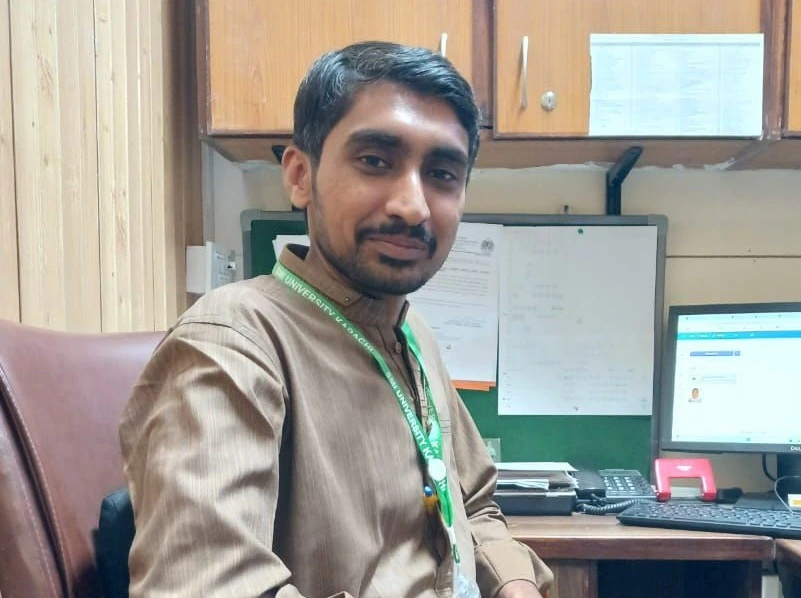
By Daniyal Nuqrrich
The word retirement often sounds unsettling. It doesn’t just mark the end of public service — it also means losing the experience, vision, and wisdom of someone who has served for decades.
In Pakistan, the official retirement age is 60 years. But departments, especially Education, are facing a wave of retirements after the recent pension deduction issue. Many teachers are choosing early retirement, fearing a loss in their final financial benefits.
Retirement isn’t just the end of a career — it’s also a loss for society, particularly for schools that depend on experienced educators. A teacher who has spent a lifetime in classrooms holds immense knowledge and practical skills. Losing such teachers only weakens the system.
Should Age Be the Only Factor?
The government currently decides retirement based only on age. But shouldn’t mental fitness, emotional strength, and professional ability also matter? A capable and passionate teacher shouldn’t be forced to quit just because they’ve turned 60.
A New Retirement Model
A more flexible retirement model could help the government and schools. Here’s how it could work:
- Recruitment:
To fill the shortage, the Sindh government has already hired over 50,000 new teachers since 2021. - Half Retirement:
Teachers near retirement could be tested for health and mental alertness. Those still fit could work on contract, receiving half salary or part pension. This way, dedicated teachers could continue serving. - Full Retirement:
Those no longer fit could retire fully after proper medical and emotional evaluation.
Why It Makes Sense
The government spends billions on pensions every year. If skilled retirees are rehired under this model, it would reduce the pension load and keep schools staffed with experienced teachers.
Turning retirees into active contributors could save money, improve education quality, and ensure that valuable experience doesn’t go to waste.